

- This event has passed.
The Erie Canal Project : An Original Choreography to Canal Songs, by Cecilia Whalen
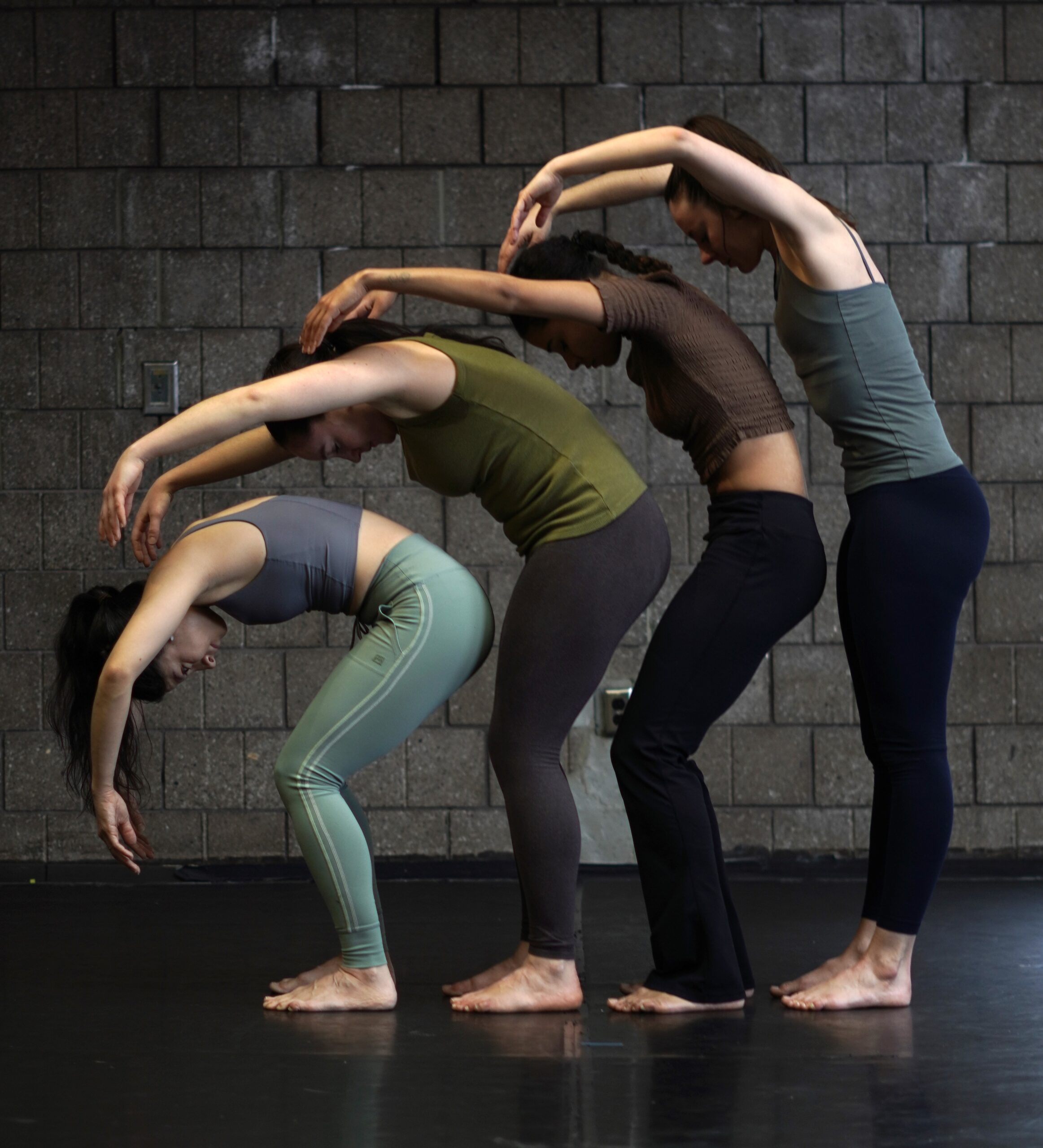
The story of the canal is a story of movement.
Completed in 1825, the Erie Canal was the first American waterway to connect the Atlantic Ocean to the Great Lakes. Its construction was considered the first and greatest American feat of engineering. It was picked, shoveled, and dug by brute force, primarily by poor Irish immigrant laborers, as well as free African Americans from the south and local farmers. Water eventually burst through it and carried thousands of Americans travelling westward, at the same time displacing Native American communities whose land it ripped through.
The canal triggered dramatic cultural change. Abolition, utopianism, and women’s rights all flourished along the canal. (Frederick Douglass lived in Rochester and from there published his abolitionist newspaper The North Star; the first women’s rights convention was held in 1848 in Seneca Falls, New York).
Above all, the canal meant an explosion of motion – something that only dance is aptly positioned to explore.
This dance piece by Cecelia Whelan Dance is inspired by the movement that is inherent to the canal, including surveying of the land, clearing of the land, digging of the land, releasing of the water, and towing of boats. The movement is stylized, with a modern and postmodern sensibility as well as influences from Irish step dance. It is performed by seven dancers, including former Martha Graham Dance Company 2 members and a world champion Irish step dancer. In its Schenectady iteration, The Erie Canal Project will feature an additional dancer, special guest Chris Thomas, Smoke Dancer of the Onondaga Haudenosaunee.
The music, arranged by Julia Whalen, includes new arrangements for American folk instruments of canal songs from the 19th and 20th centuries, including the famous “Low Bridge Song.”
“The Erie Canal Project” was developed in part through a residency at Baryshnikov Arts. 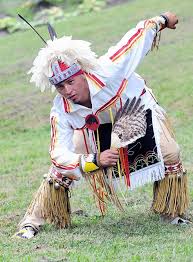
This Schenectady County based performance is sponsored by New York Folklore and the Schenectady County Historical Society with support from an Arts and Culture Development Grant from the Schenectady County Legislature.