
Along the River: Teaching and Learning with Place Markers
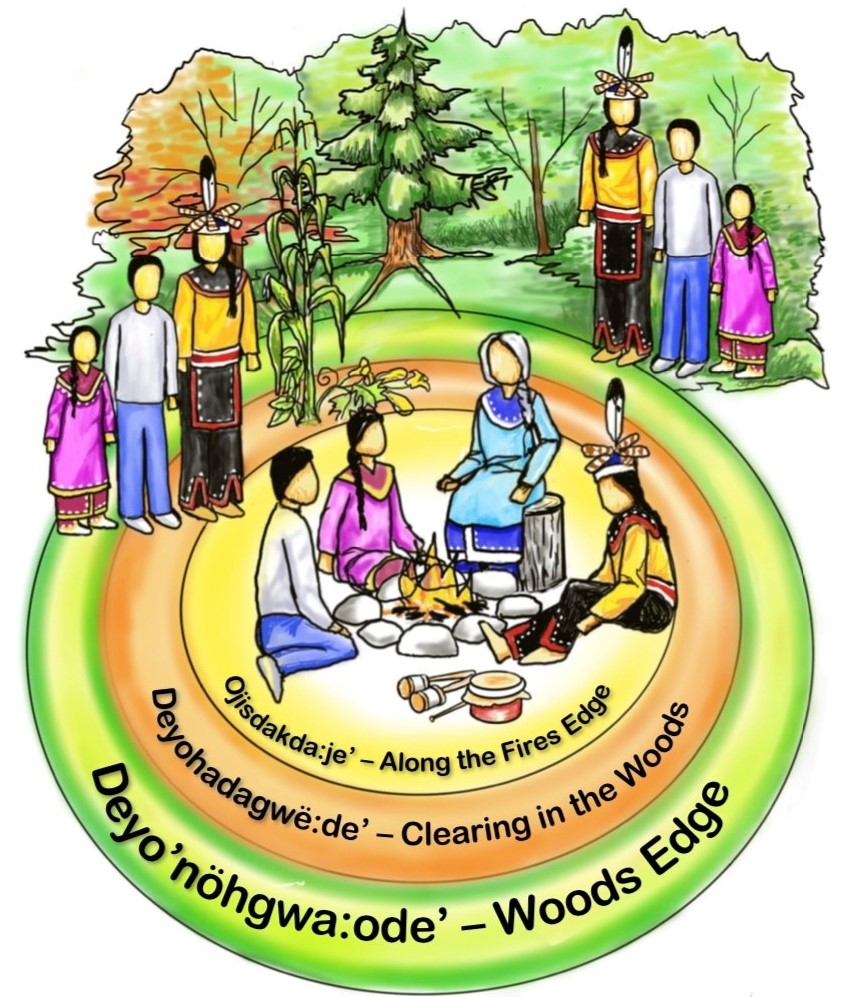
Haudenosaunee language and story have been missing from history books as well as from roadside place markers. Working with Seneca language expert and artist, Bill Crouse (Seneca/Hawk Clan), New York Folklore has engaged in a place-marking project to mark places of significance to Indigenous populations in New York State.
Through collected narratives from Haudenosaunee communities, educators will explore our state’s Indigenous history and gain a new understanding of significant sites within New York’s watersheds. Plan to spend six hours discovering tools and curricula for experiential learning from the perspective of place.
Activities/Learning Objectives:
• Explore ideas of “place” through cultural, social, and biophysical dimensions.
• Practice using research methodologies including close observation, field biology, note taking, sketching, and mapping
• Gain a deeper understanding of the values, beliefs, and traditions of the Haudenosaunee communities of New York State
• Examine the ethical considerations of representing diverse cultures in a classroom
• Investigate the presence and meaning of culture in our own lives, families, and communities, including the school community
• Connect Indigenous culture and place names to education standards
• Adapt field-based learning skills for use in the classroom
Facilitators: Local Learning (Mira Johnson), New York Folklore (Ellen McHale); Schoharie River Center (John McKeeby) and Seneca language expert, William “Bill” Crouse.
This workshop is offered in partnership with the Capital District Teachers’ Center and is supported by a grant from the Mohawk Basin River Watch program of the NYS Department of Environmental Conservation.